Productivity
What Visual Clutter Does to Your Brain
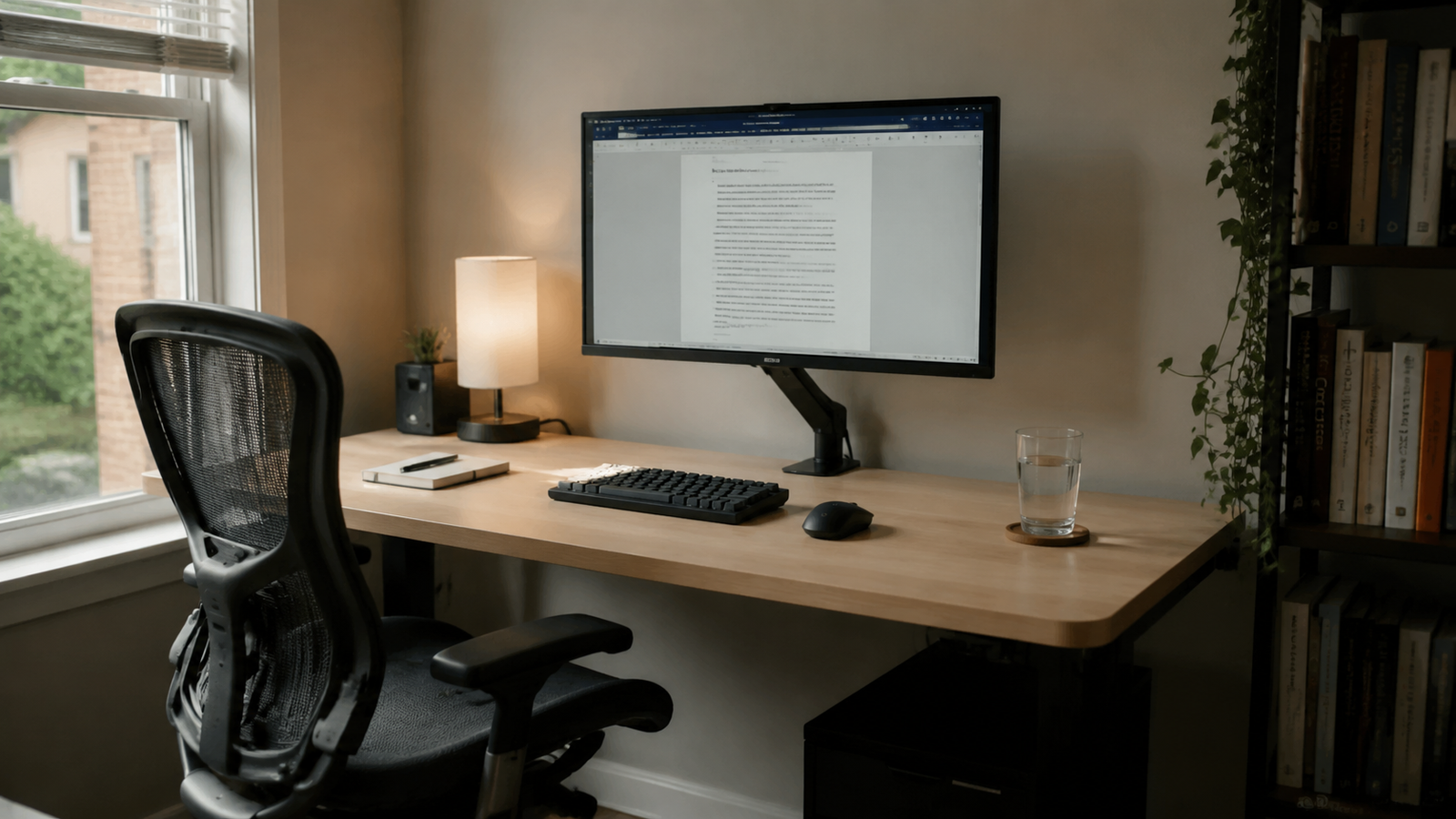
Desk clutter isn't just a design problem. The objects surrounding you can quietly influence attention, stress, and your ability to focus throughout the day.
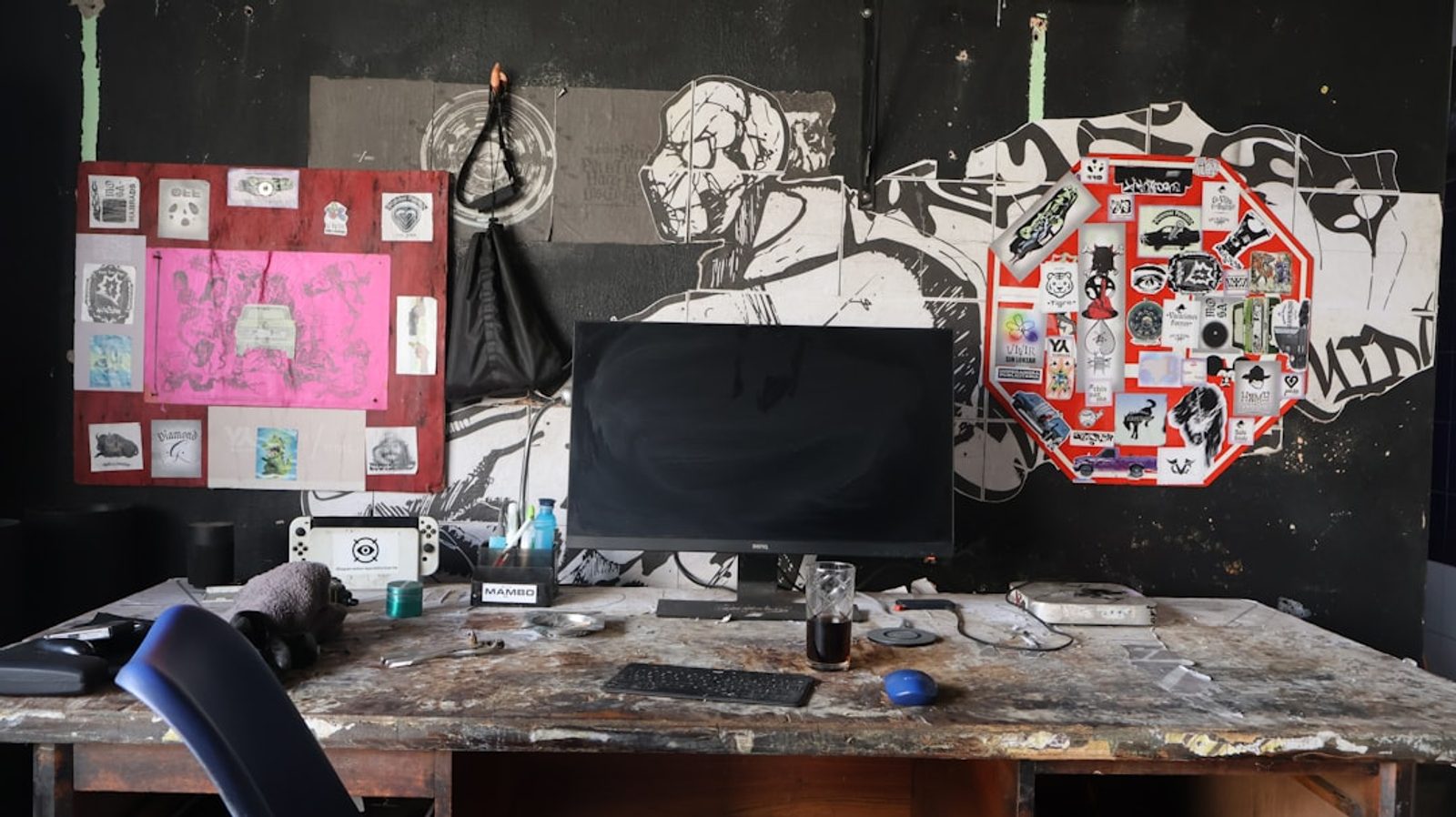
A few years ago, I spent weeks trying to solve what I thought was a productivity problem.
I blamed my schedule.
I blamed my phone.
At one point, I even blamed my coffee.
What I didn't consider was the desk sitting directly in front of me.
It wasn't dramatically messy. Nothing looked obviously wrong.
There were simply too many things competing for attention.
Old notes. Random cables. Accessories I rarely used. A few objects I had stopped noticing entirely.
Or at least I thought I had stopped noticing them.
Your Brain Never Fully Ignores the Environment
One of the biggest misconceptions about workspace organization is the idea that we eventually stop seeing clutter.
We may stop consciously paying attention to it.
That doesn't mean the brain stops processing it.
Every visible object carries information.
Something unfinished.
Something waiting.
Something that may need a future decision.
Individually these signals are small.
Collectively they create mental noise.
The Cost of Constant Micro-Decisions
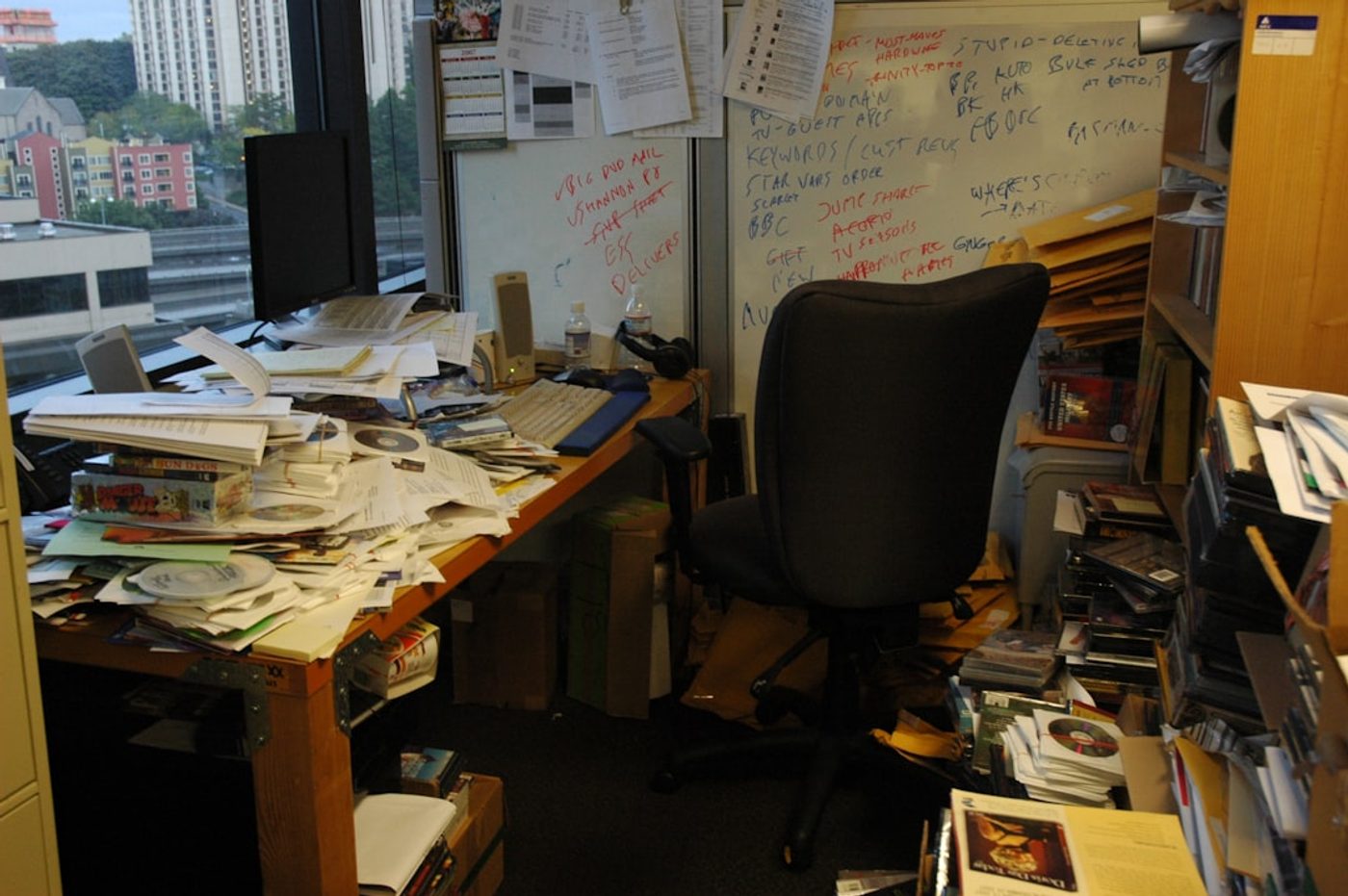
Most people imagine clutter as a physical problem.
Less room to work. Less room for a notebook. Less room for a coffee mug.
But visual clutter is often a decision problem.
Every object asks a question.
Should I deal with this?
Should I move this?
Should I keep this?
Most of these questions never reach conscious thought.
Yet they still consume attention.
That's why a cluttered desk can feel mentally exhausting even when you're sitting completely still.
Why Clean Workspaces Feel Calmer
A calm workspace doesn't work because it's aesthetically pleasing.
It works because fewer things are competing for attention.
The brain spends less energy filtering irrelevant information.
The work becomes easier to notice than the environment.
That's a subtle but important difference.
The best workspaces don't constantly attract attention.
They quietly direct attention toward the work itself.

The DeskCurated Principle: Remove Before You Organize
Many people try to solve desk clutter with better storage.
More organizers.
More trays.
More compartments.
Sometimes that helps.
More often, the biggest improvement comes from removing things entirely.
At DeskCurated, we follow a simple principle:
Remove before you organize.
A smaller number of meaningful objects is usually easier to manage than a larger number of perfectly organized ones.
Open Space Gives Attention Somewhere to Rest
One thing almost every productive workspace shares is open space.
Not because empty space looks good.
Because empty space performs a function.
It creates visual breathing room.
It separates objects.
It reduces the amount of information arriving at the brain at once.
The result is often a workspace that feels larger, calmer, and easier to focus in.

Visual Clutter Is Usually a Delayed Problem
One reason desk clutter is easy to ignore is that the consequences appear gradually.
A single object rarely creates a noticeable problem.
Ten extra objects might.
The effect accumulates slowly until the workspace starts feeling heavier than it should.
By then, most people assume the problem is stress, motivation, or focus.
Sometimes the environment deserves more of the blame.
The Real Takeaway
Desk clutter isn't just a visual issue.
It's an attention issue.
Every unnecessary object asks for a small amount of mental energy.
Most of the time, you don't notice the individual requests.
You notice the accumulated cost.
That's why workspace organization isn't really about creating a prettier desk.
It's about creating an environment where attention can stay focused on what matters most.
Related Reading
Continue Reading
FAQ
How does visual clutter affect focus?
Visual clutter creates additional attention demands that can make focusing more difficult and mentally exhausting over time.
What is the difference between desk clutter and visual clutter?
Desk clutter refers to physical objects occupying space, while visual clutter refers to the amount of information competing for attention in the environment.
How can I reduce visual clutter in my workspace?
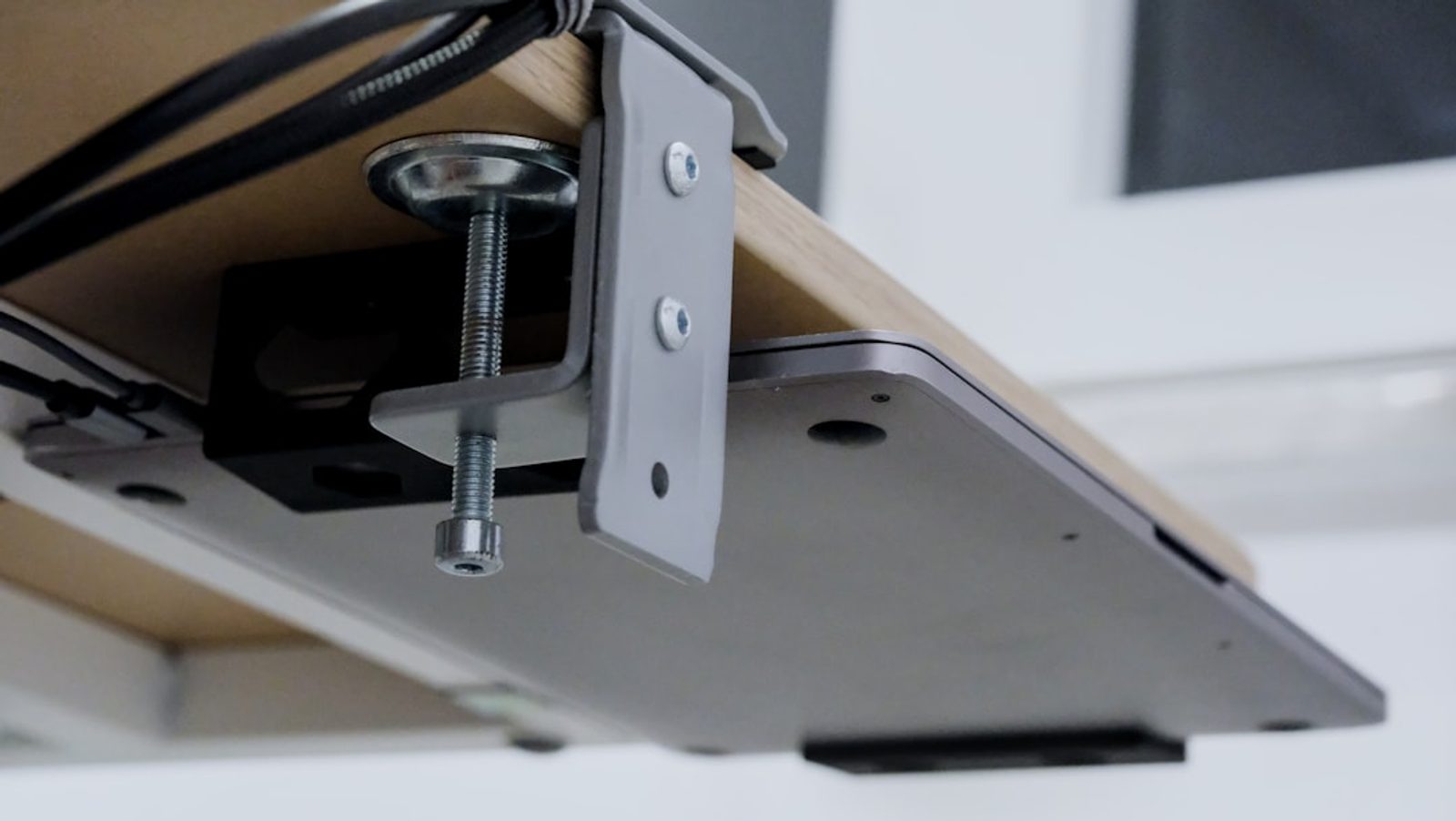
Remove unnecessary items, keep only essential tools visible, hide cables, and preserve open desk space whenever possible.