Workspace Design
What Actually Makes a Workspace Comfortable?
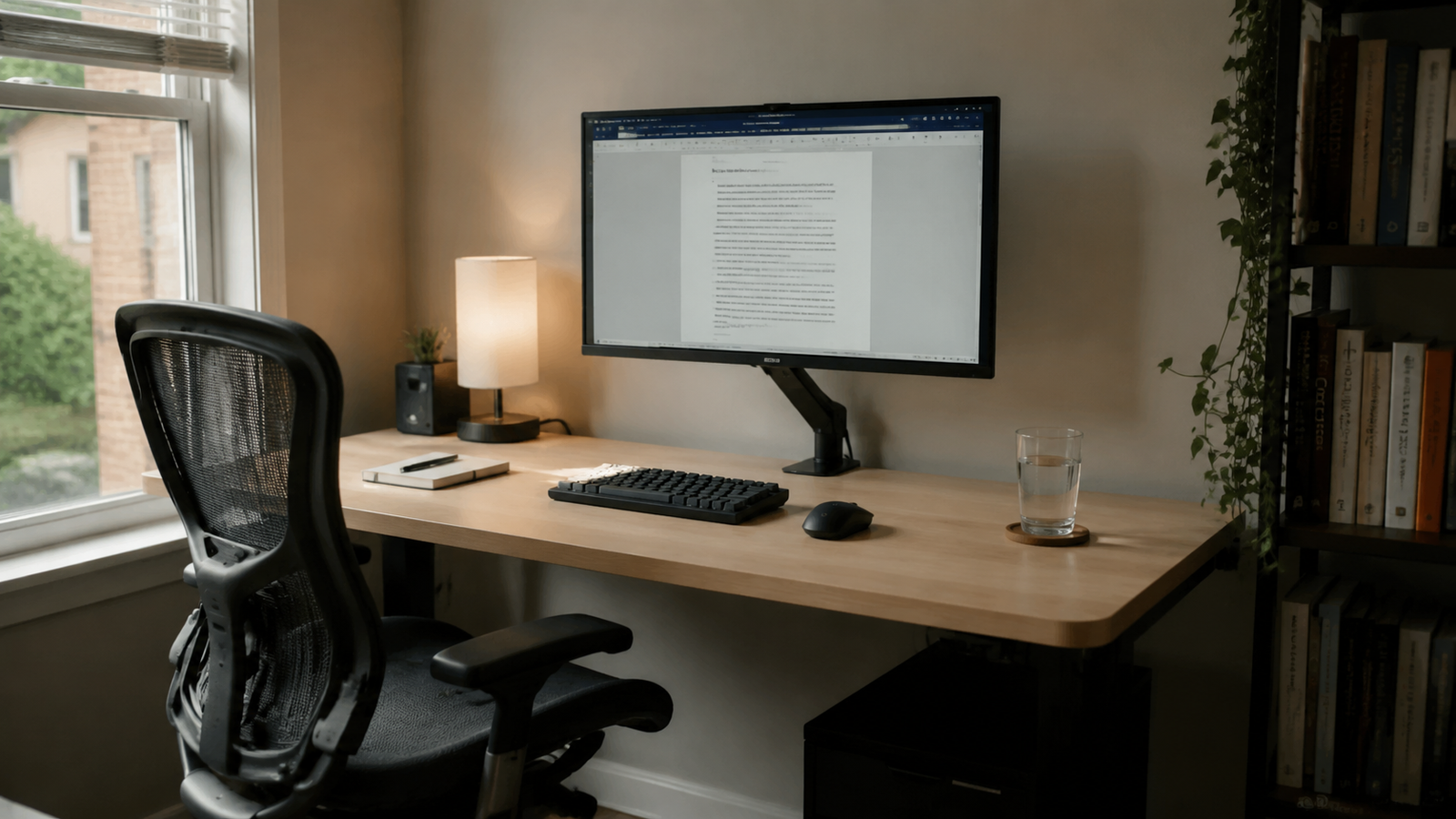
Most people think workspace comfort comes from expensive chairs and premium desks. In reality, comfort is usually the result of dozens of small decisions working together.
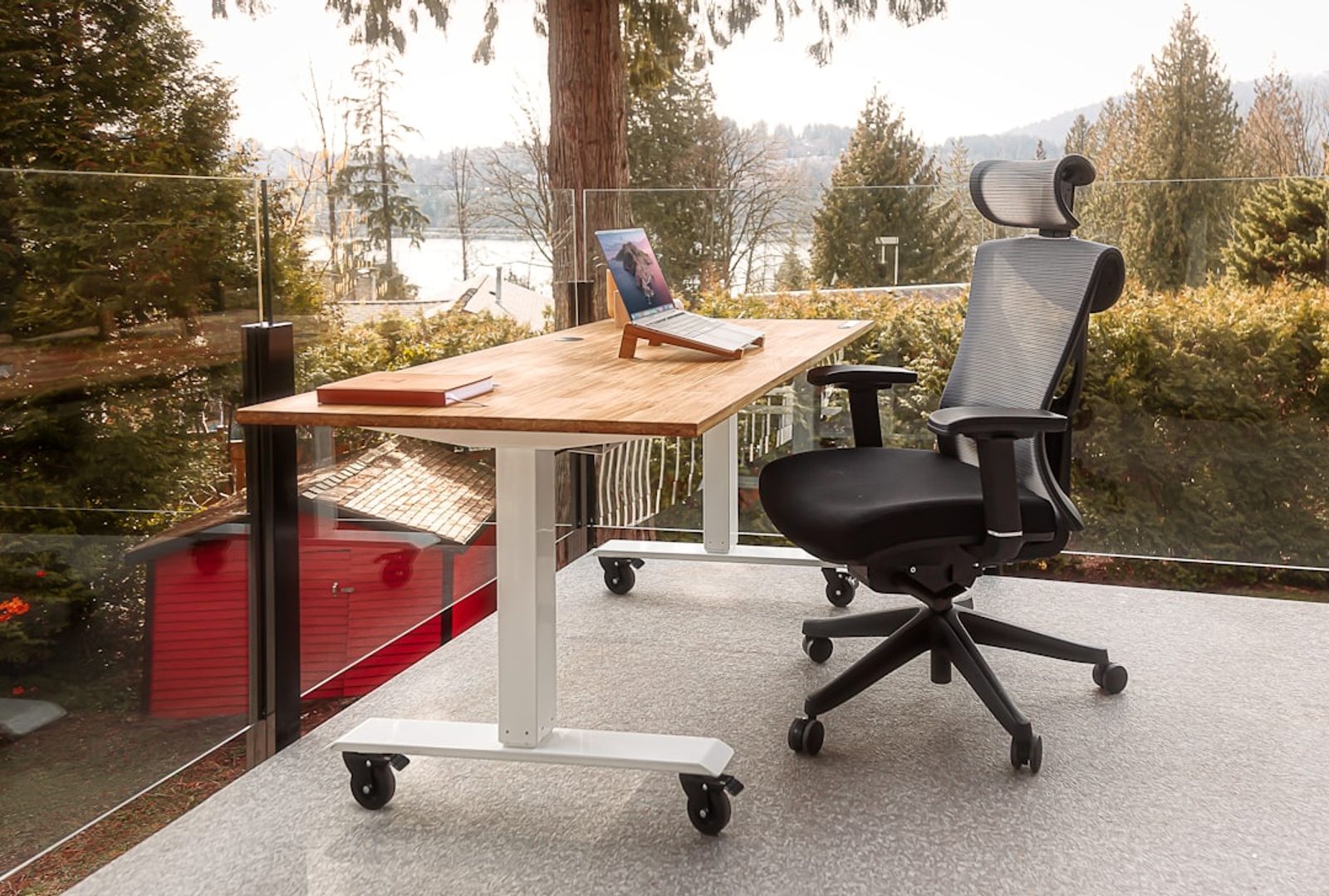
A few years ago, I became convinced that a better chair would solve all my workspace problems.
My back felt tired by the end of the day. My shoulders felt tense. Long work sessions became surprisingly draining.
So I started researching ergonomic chairs.
Reviews. Comparisons. Forums. YouTube videos.
Eventually I bought a much better chair.
It helped.
But not nearly as much as I expected.
The real improvement happened later, after I adjusted the monitor height, changed the desk layout, improved the lighting, and removed a surprising amount of visual clutter.
That's when I learned something important.
Workspace comfort rarely comes from one thing.
It comes from many small things working together.
Most People Think About Comfort Too Narrowly
When people hear the phrase workspace comfort, they usually think about physical comfort.
A better chair.
A standing desk.
An ergonomic keyboard.
Those things matter.
But comfort is broader than ergonomics.
A workspace can be physically comfortable and still feel mentally exhausting.
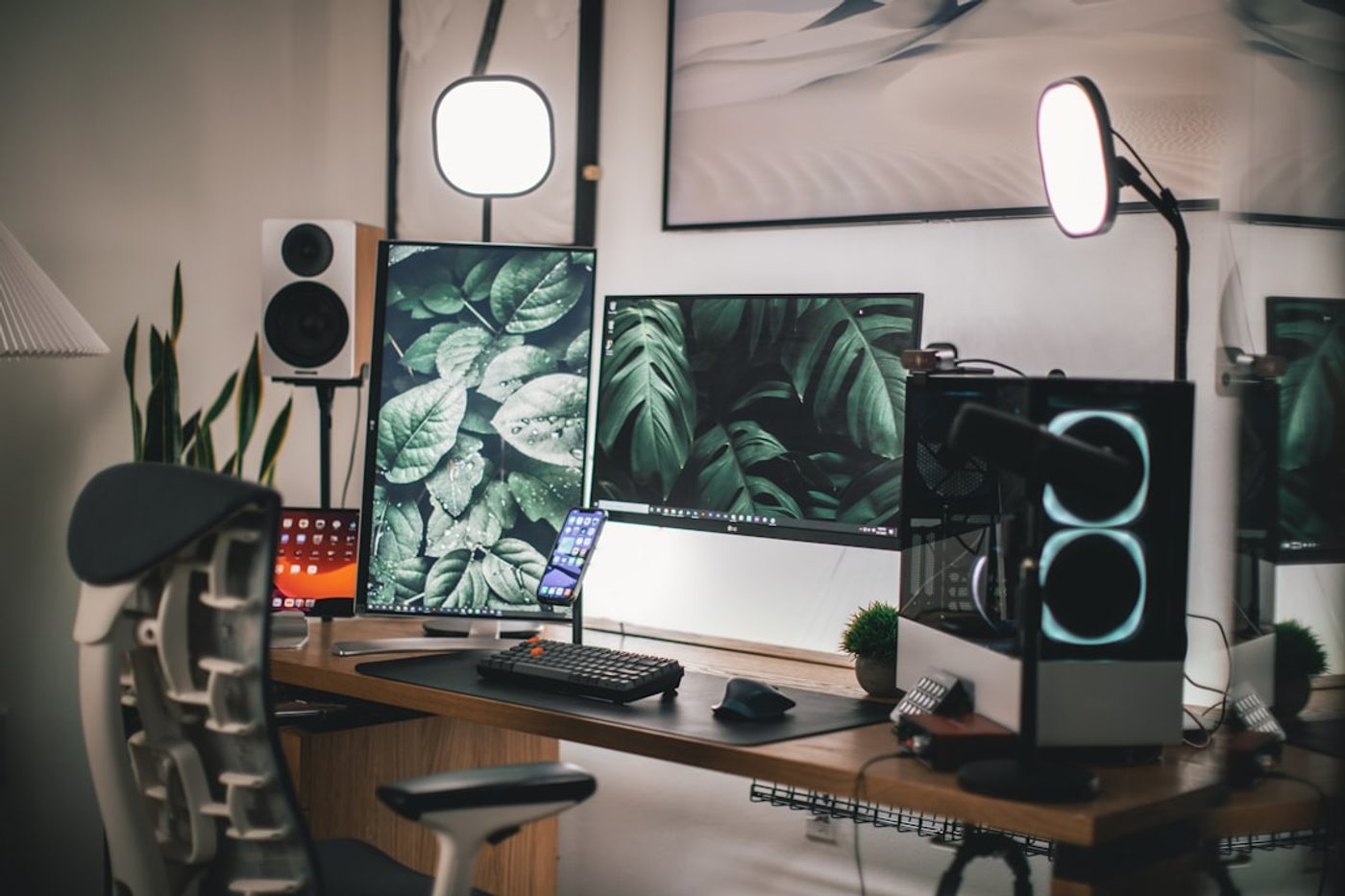
Poor lighting, visual clutter, awkward layout decisions, and constant distractions all contribute to discomfort even when posture is perfect.
Monitor Position Matters More Than Most Upgrades
One of the most common ergonomic mistakes isn't the chair.
It's monitor placement.
A monitor that's too low encourages neck strain.
A monitor that's too close creates eye fatigue.
A monitor that's off-center causes subtle posture adjustments throughout the day.
None of these issues feel dramatic at first.
But after eight hours of work, they become impossible to ignore.
That's why one of the highest-impact upgrades for many people isn't a new desk.
It's better monitor positioning.
Comfort Is Also About What You Don't Notice
The most comfortable workspaces often share an unexpected characteristic.
Nothing constantly demands attention.
There aren't tangled cables pulling your eyes away from the screen.
There aren't piles of unfinished tasks sitting in your peripheral vision.
There aren't unnecessary accessories competing for space.
The environment feels calm because it asks very little from you.
That kind of comfort is harder to measure than chair specifications, but it's just as important.
The DeskCurated Principle: Comfort Reduces Friction
At DeskCurated, we think about comfort differently.
Instead of asking whether a workspace looks ergonomic, we ask whether it creates friction.
Do you need to rearrange things before starting work?
Do you constantly reach around obstacles?
Does the lighting become uncomfortable by afternoon?
Does visual clutter compete for attention?
Every small source of friction makes the workspace less comfortable.
Every friction removed makes work feel easier.
Lighting Changes Everything
Many people underestimate the role lighting plays in workspace comfort.
Poor lighting causes eye strain, fatigue, and a workspace that feels draining long before the work itself becomes difficult.
Good lighting isn't necessarily bright lighting.
It's balanced lighting.
Natural daylight when possible.
Task lighting when needed.
Enough illumination to work comfortably without overwhelming the space.
Open Space Creates Comfort
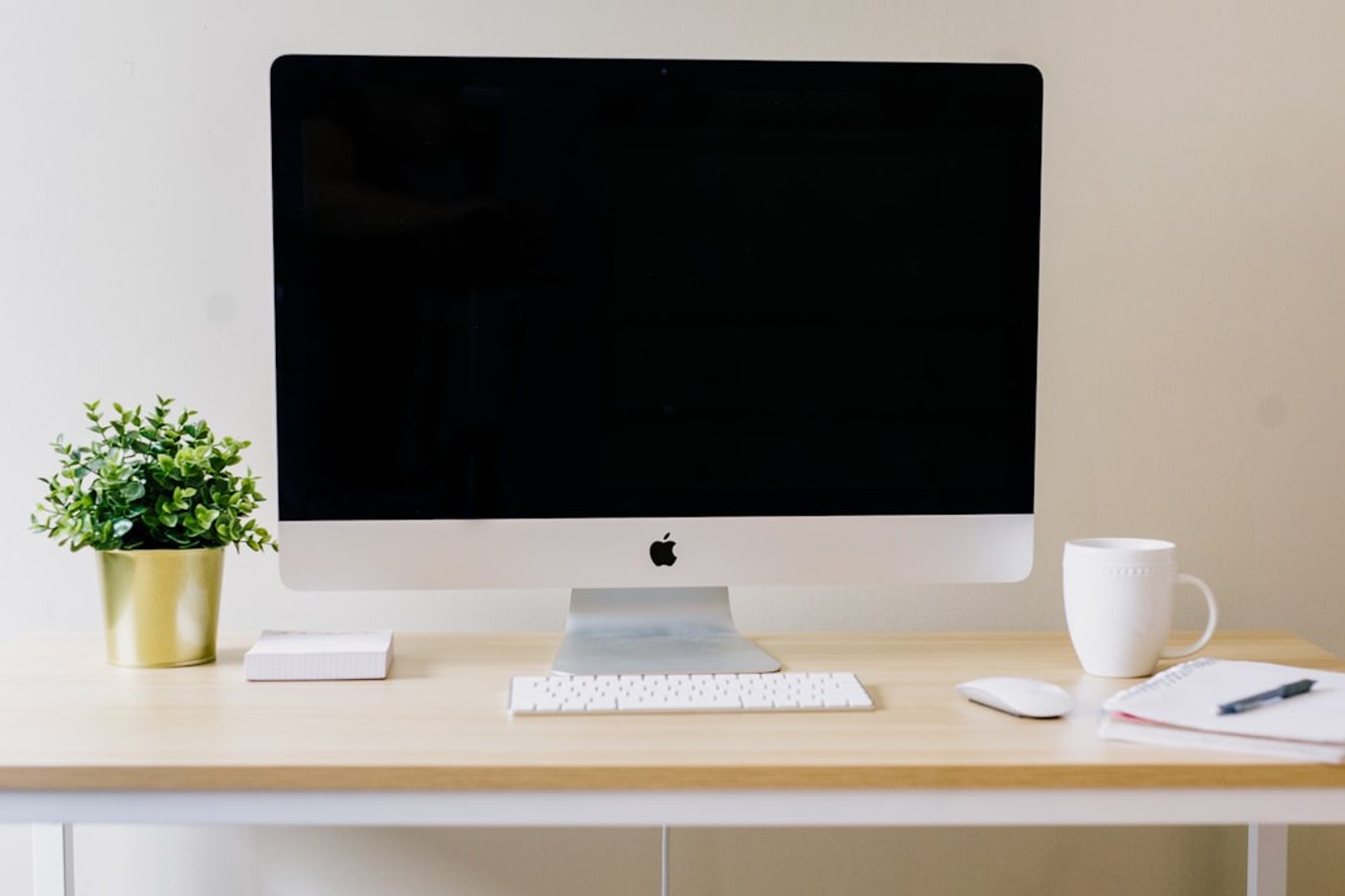
One thing I've noticed while studying great workspaces is that they rarely use every inch of the desk.
There's almost always open space.
Not because the owner couldn't fill it.
Because empty space makes the workspace easier to use.
You can open a notebook without moving something first.
You can spread out documents when necessary.
You have room to think.
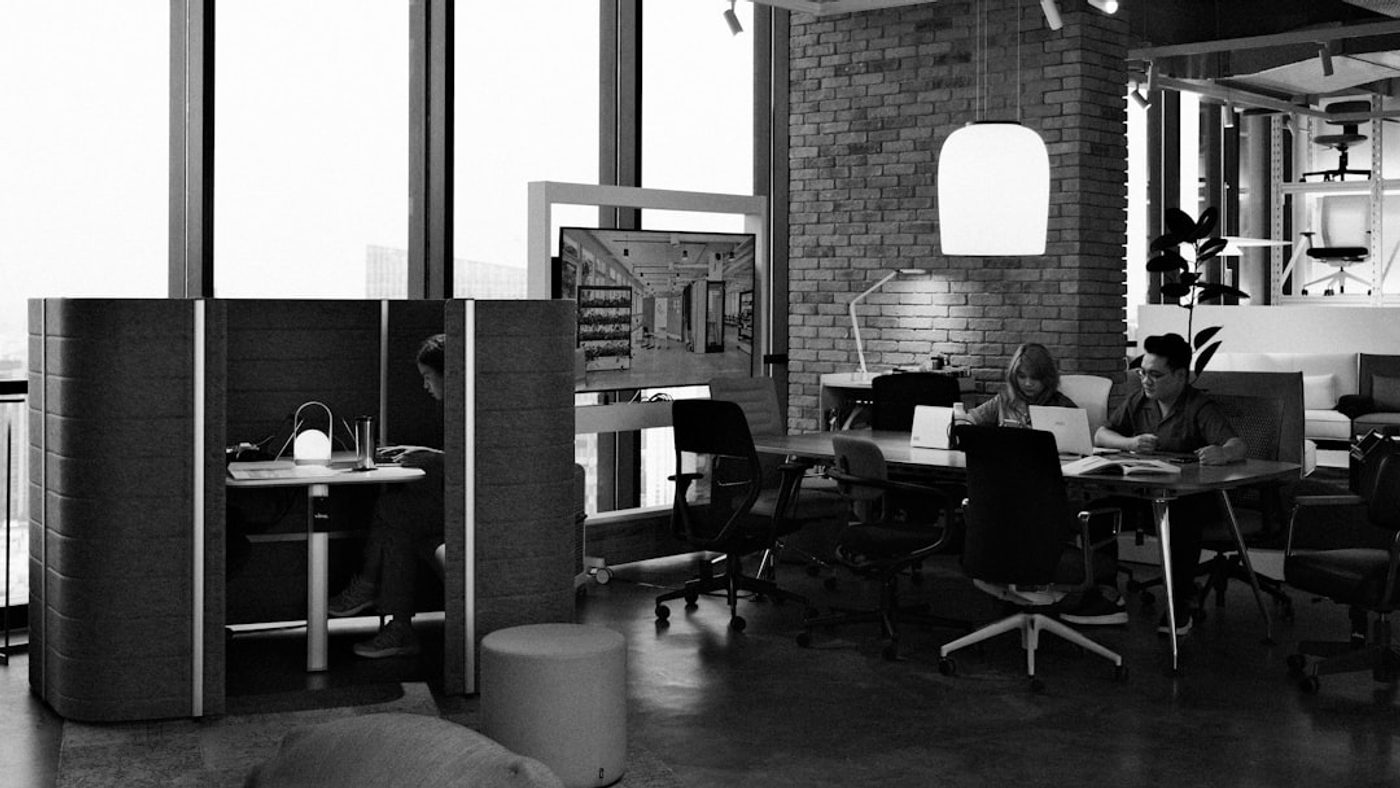
The Most Comfortable Workspaces Feel Effortless
When people describe a workspace as comfortable, they're rarely talking about one product.
They're describing an experience.
You sit down.
Everything is where it should be.
The lighting feels right.
The monitor feels natural.
Nothing gets in the way.
The workspace quietly supports the work instead of competing with it.
The Real Takeaway
Workspace comfort isn't something you buy.
It's something you build.
Good ergonomics matter.
But so do lighting, layout, organization, and the amount of friction in the environment.
The most comfortable workspaces aren't necessarily the most expensive.
They're the ones that make it easy to forget about the workspace and focus on the work itself.
Related Reading
Continue Reading
More to explore
FAQ
What makes a workspace comfortable?
Workspace comfort comes from a combination of ergonomics, lighting, layout, organization, and reducing physical and mental friction.
What is the most important ergonomic workspace improvement?
For many people, improving monitor placement has a larger impact on comfort than upgrading furniture.
How can I make my desk more comfortable?
Improve monitor positioning, reduce clutter, create open workspace areas, optimize lighting, and ensure frequently used tools are easy to reach.