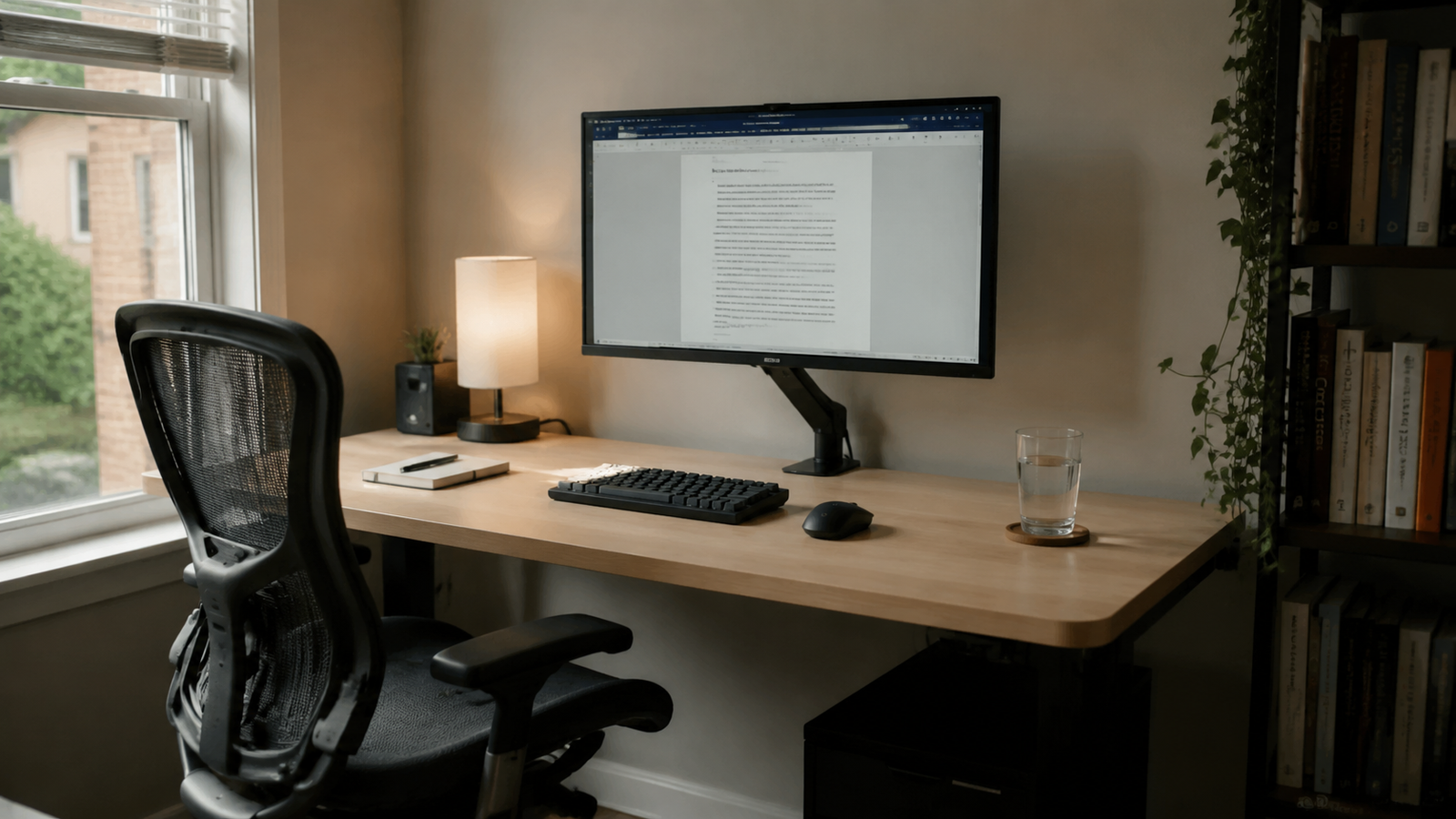
Workspace Design
How Lighting Changes the Way a Workspace Feels
Most people think about lighting only when a room feels too dark. In reality, workspace lighting quietly shapes comfort, focus, mood, and how long you actually enjoy working at your desk.
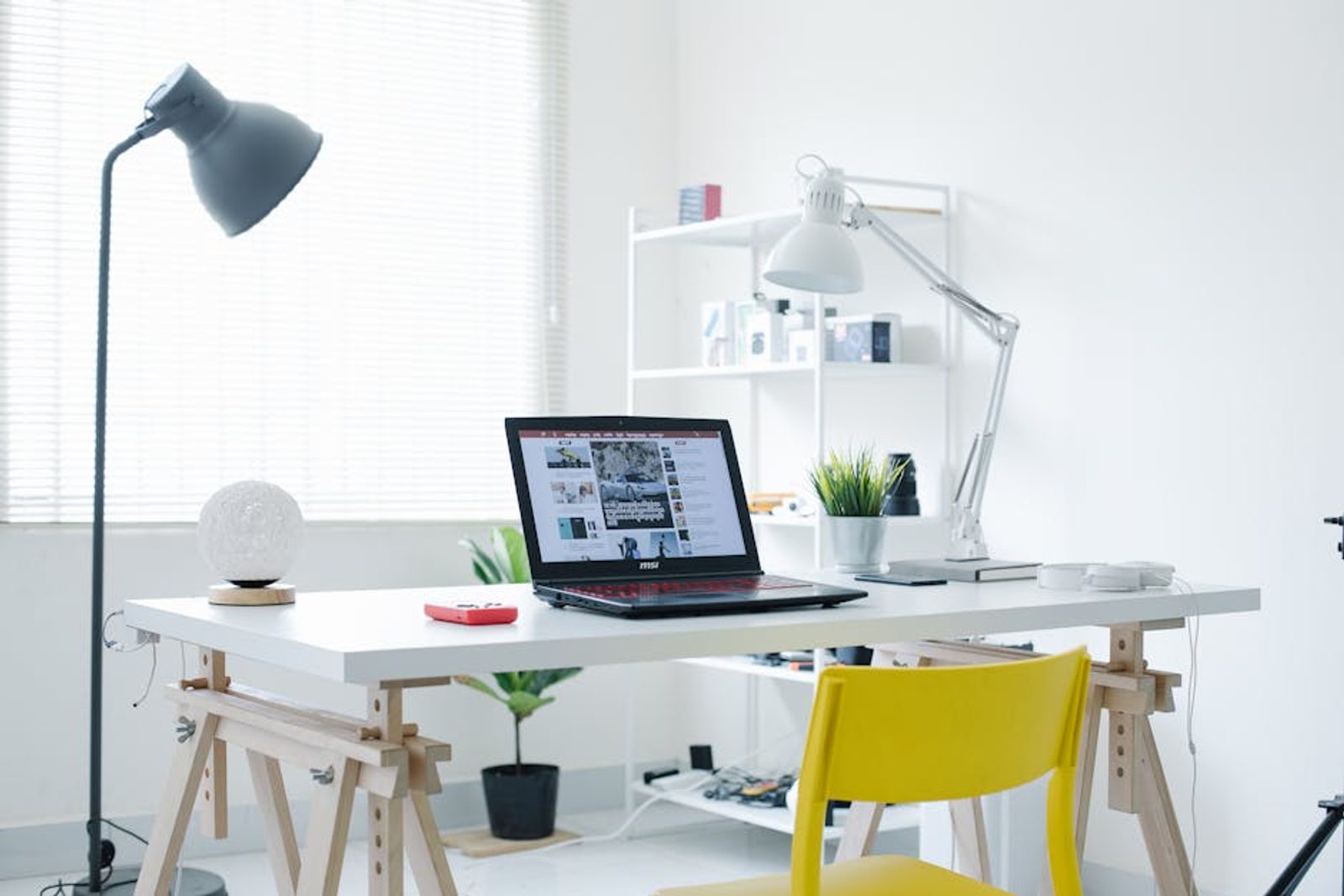
A few years ago, I spent months trying to improve my workspace.
I changed the desk.
I upgraded accessories.
I reorganized the layout more times than I can remember.
Some changes helped.
Most didn't make a dramatic difference.
Then one evening I added a simple desk lamp.
The room immediately felt different.
Not bigger.
Not more productive.
Just better.
That's when I realized how much workspace lighting influences the experience of work.
Most People Notice Lighting Only When It's Bad
Good lighting tends to disappear.
You don't think about it.
You simply work.
Bad lighting does the opposite.
It creates eye strain.
Makes screens feel harsher.
Turns long work sessions into something surprisingly exhausting.
The challenge is that many people mistake these symptoms for fatigue or lack of focus when the environment is contributing more than they realize.
Lighting Shapes Mood Before Productivity
When people discuss desk lighting, they often focus on visibility.
Can I see the keyboard?
Is the desk bright enough?
Those questions matter.
But lighting influences something deeper.
Mood.
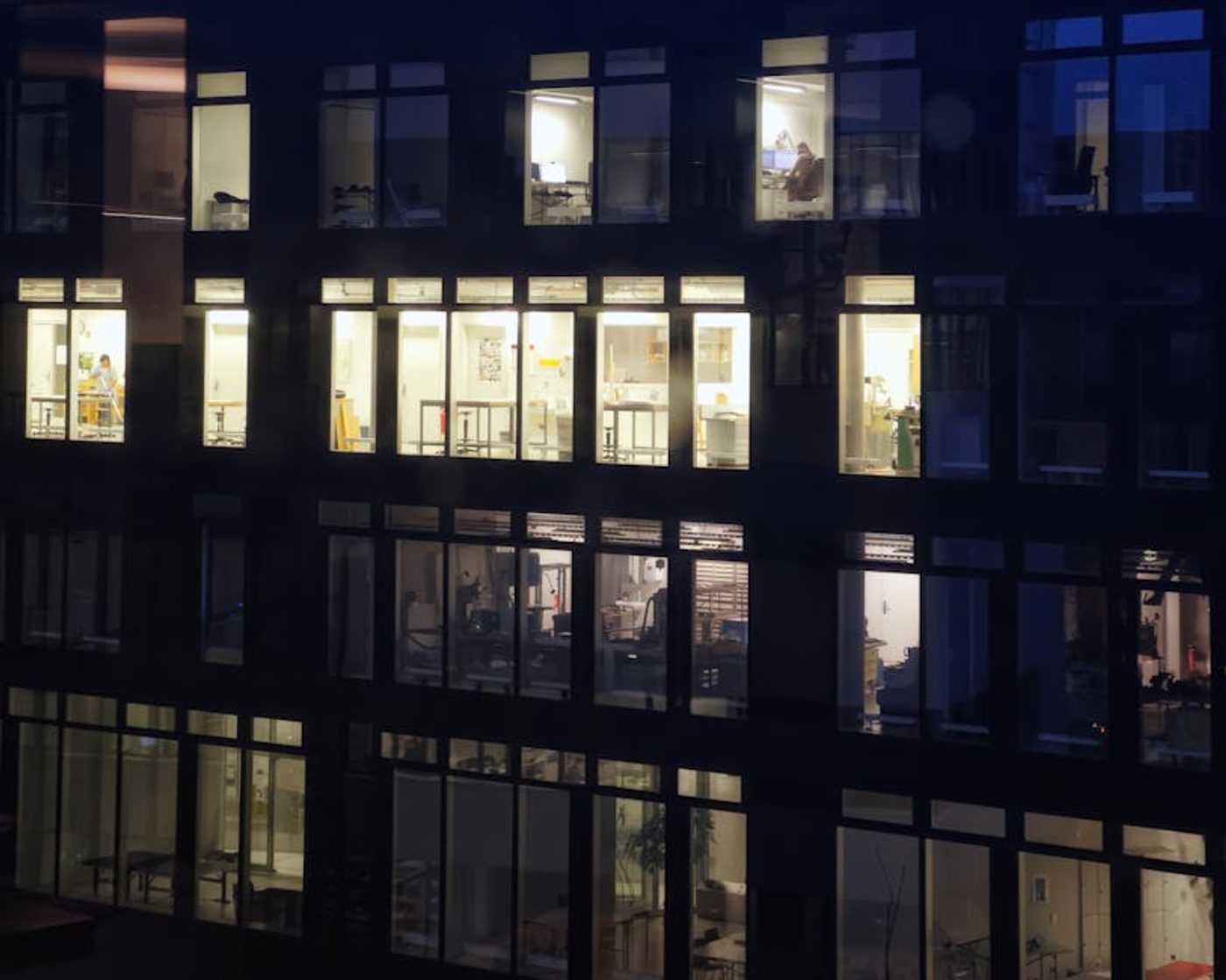
A workspace with soft, balanced lighting often feels calmer.
A workspace lit only by a bright overhead fixture can feel clinical and draining.
The work itself hasn't changed.
The experience of doing the work has.
Natural Light Is Usually the Best Starting Point
When evaluating great workspaces, one pattern appears repeatedly.
Natural light.
Not because every workspace needs large windows.
Because daylight tends to make rooms feel more open, comfortable, and connected to the outside world.
Whenever possible, position the desk where daylight can contribute to the workspace without creating screen glare.
It's one of the simplest upgrades available.
Why Task Lighting Works So Well
One of the most effective lighting upgrades isn't brighter lighting.
It's more intentional lighting.
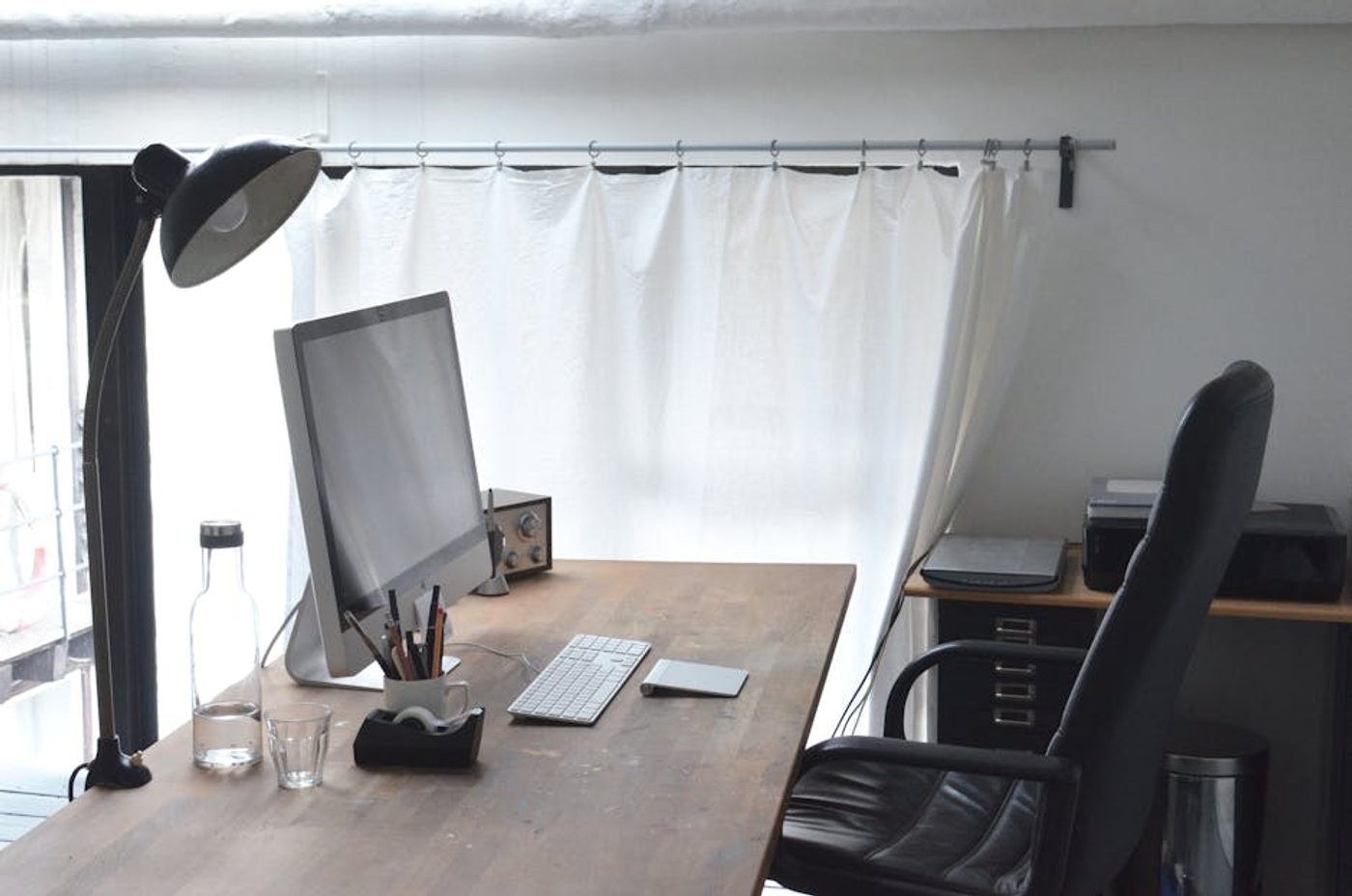
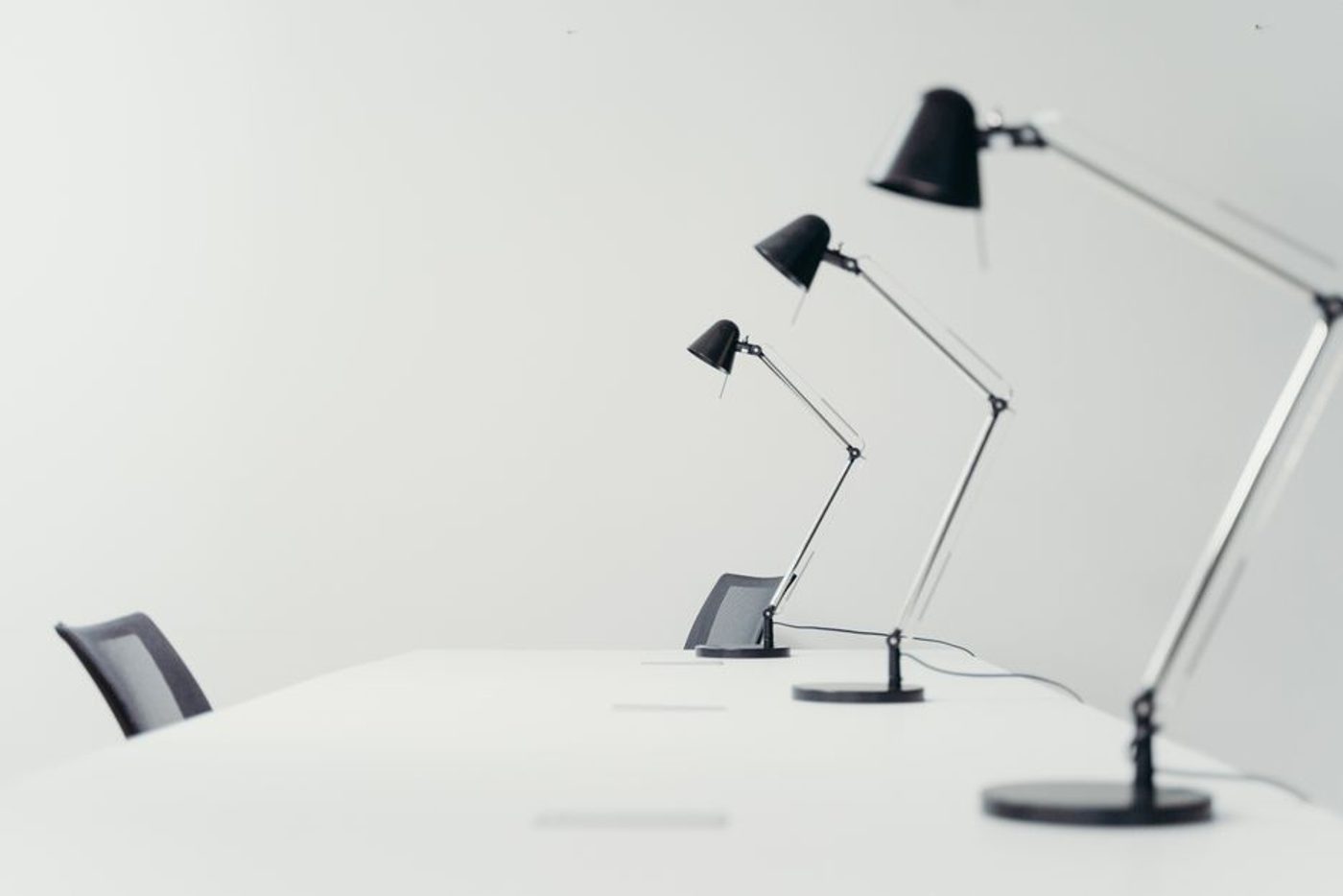
Task lighting focuses illumination exactly where it's needed.
A desk lamp doesn't need to light the entire room.
It only needs to support the work area.
This creates visual contrast and often makes the workspace feel more inviting during evening hours.
Many of the most comfortable workspaces combine ambient room lighting with a dedicated task light.
The DeskCurated Principle: Light the Work, Not the Room
One principle appears again and again in workspaces that feel genuinely comfortable.
Light the work, not the room.
Many people try to solve lighting problems by increasing overall brightness.
The result is often a room that's brighter but not more comfortable.
Instead, focus light where attention is needed.
The desk.
The notebook.
The keyboard.
The active work zone.
Comfort often improves immediately.
Lighting Changes Perceived Space
One thing that surprised me while studying workspace design is how strongly lighting affects the perception of space.
The same desk can feel completely different under different lighting conditions.
Poor lighting often makes a room feel smaller.
Balanced lighting tends to make it feel more open.
That's one reason small workspaces often benefit from thoughtful lighting more than additional furniture.
The Best Lighting Setup Is Usually Invisible
The most successful workspace lighting rarely attracts attention.
You don't sit down and admire the lamp.
You simply enjoy being in the space.
The lighting supports focus.
Supports comfort.
Supports long work sessions.
Without constantly reminding you it's there.
The Real Takeaway
Workspace lighting isn't just about seeing better.
It's about feeling better.
Good lighting improves comfort, reduces fatigue, shapes mood, and changes the way a workspace is experienced throughout the day.
Before buying another accessory, consider improving the light around the work you're already doing.
It might be the upgrade you notice the most.
FAQ
How does workspace lighting affect productivity?
Workspace lighting influences comfort, mood, eye strain, and the overall experience of working, which can indirectly improve productivity and focus.
What is the best desk lighting setup?
A combination of natural daylight, balanced ambient lighting, and focused task lighting usually creates the most comfortable workspace.
What is task lighting?
Task lighting is focused illumination designed to support specific activities such as reading, writing, or computer work without lighting the entire room.