Workspace Organization
How to Reduce Desk Clutter Without Buying More Stuff
Most desk clutter isn't caused by a lack of organizers. It's caused by too many things competing for space. Here's how to create a cleaner workspace without buying anything new.
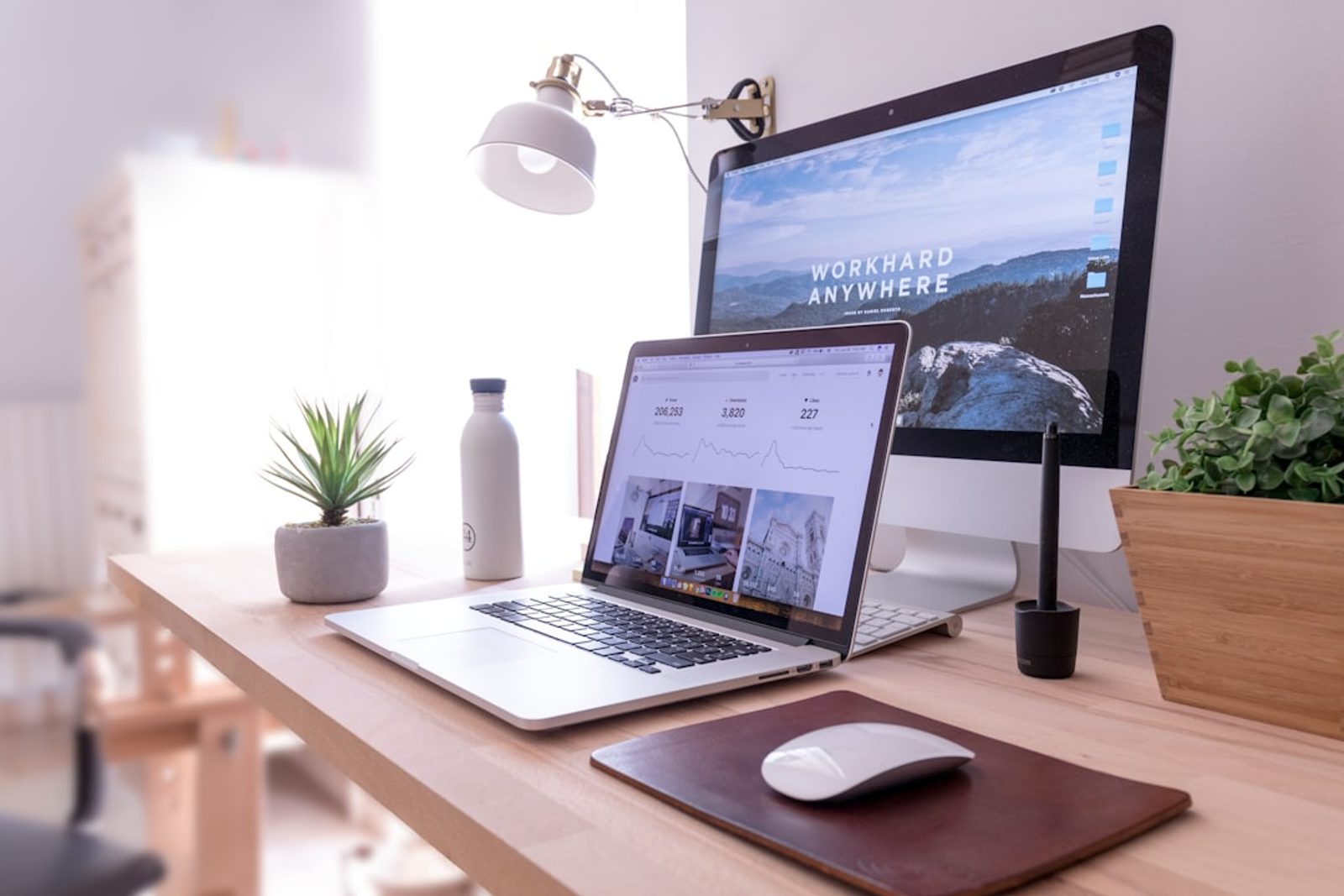
A few years ago, I bought a desk organizer to solve a clutter problem.
Then I bought another one.
A cable tray followed. Then a storage box. Then a small shelf.
For a while, it felt like progress.
The workspace looked more organized, but it never actually felt less cluttered.
Eventually I realized something uncomfortable.
I wasn't reducing clutter.
I was organizing clutter.
Those are very different things.
The Organization Trap
When a workspace feels messy, most people immediately start looking for storage solutions.
Desk organizers.
Drawer systems.
Storage trays.
The assumption is that clutter exists because there isn't a place for everything.
In reality, clutter often exists because there are simply too many things.
Giving every object a home doesn't automatically make the workspace better.
Sometimes it just makes the clutter look more organized.
Start With Removal, Not Organization
Whenever a desk feels crowded, I use a simple rule.
Before organizing anything, remove things.
Not permanently.
Just temporarily.
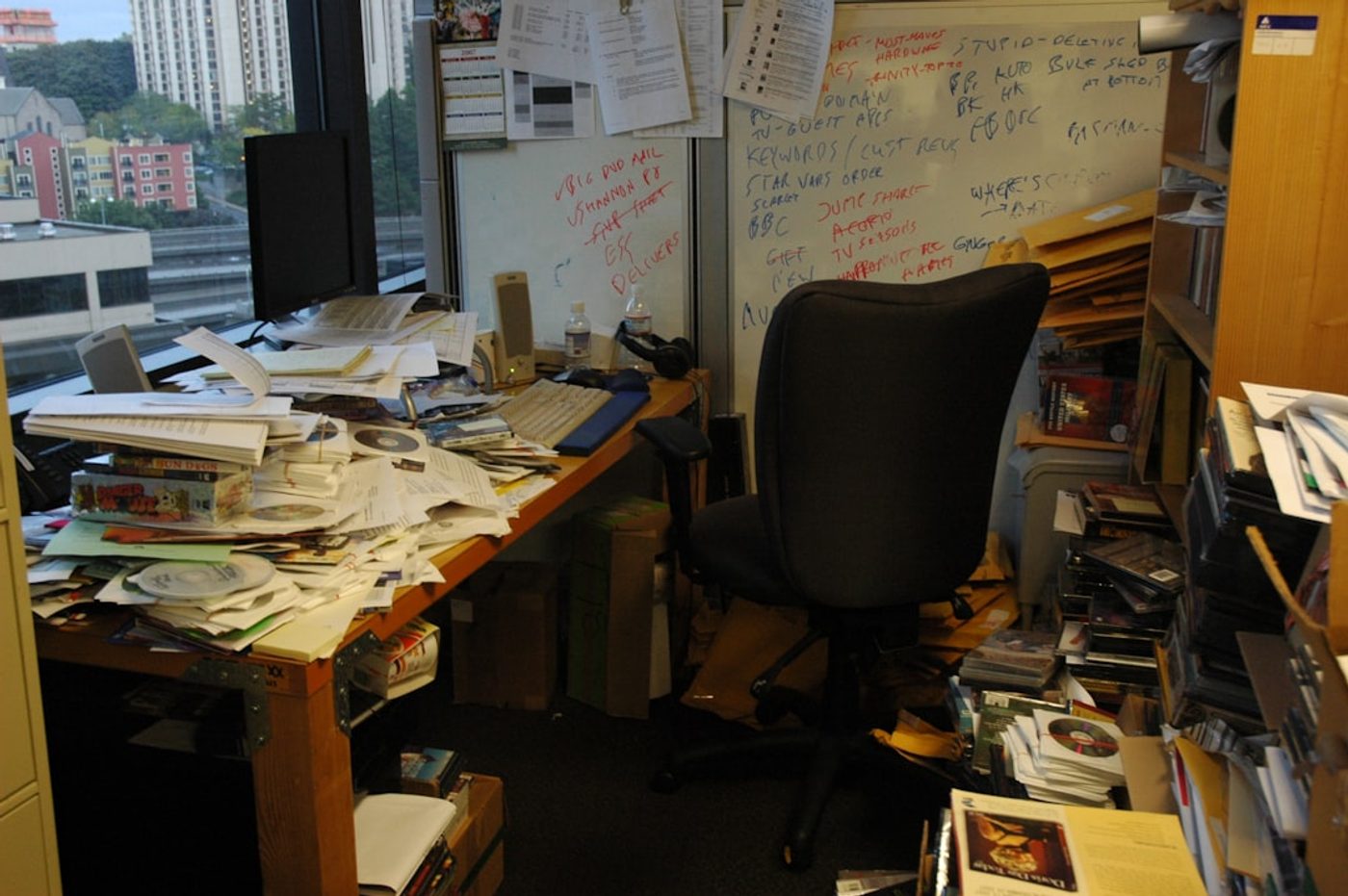
Take every non-essential item off the desk and place it somewhere else.
Then spend a normal workday using the workspace.
Pay attention to which items you actually miss.
The list is usually much shorter than expected.
Most desks contain dozens of objects that support the idea of work rather than the work itself.
The Daily Use Test
One of the easiest ways to declutter a desk is asking a simple question about every item.
Did I use this in the last week?
Not last month.
Not last year.
Last week.
If the answer is no, the item probably doesn't need permanent desk space.
That doesn't mean throwing it away.
It simply means moving it somewhere more appropriate.

The DeskCurated Principle: Every Item Pays Rent
At DeskCurated, we often return to a simple idea.
Every item on a desk should pay rent.
Not literally.
But every object occupies valuable visual and physical space.
The question becomes:
Is the value it provides greater than the space it consumes?
A notebook used daily usually earns its place.
A charger for a device you rarely use often doesn't.
A decorative object might earn its place if it genuinely improves the environment.
The goal isn't minimalism.
The goal is intentionality.
Protect Open Space
One reason clutter returns so quickly is that empty space feels available.
A clear section of desk becomes an invitation.
A receipt gets dropped there.
A package waits there.
A charging cable gets left there.
Over time, open space slowly disappears.
The most effective workspace organization habit isn't cleaning.
It's protecting open space before clutter arrives.
Why Buying More Storage Often Makes Things Worse
This might sound counterintuitive.
But additional storage often creates additional storage needs.
The more places you create for things, the more things tend to accumulate.
That's why some of the cleanest workspaces have surprisingly little storage.
They solve clutter by reducing possessions rather than expanding capacity.
The Real Takeaway
If your desk feels cluttered, resist the urge to buy another organizer.
Start by removing things.
Question every object.
Protect open space.
Keep only what actively supports your work.
Because the cleanest desks aren't usually the most organized.
They're the ones with the fewest unnecessary things to organize in the first place.
Related Reading
Continue Reading
FAQ
How can I reduce desk clutter without buying organizers?
Start by removing non-essential items, keeping only daily-use tools visible, and protecting open desk space from becoming storage.
What is the fastest way to declutter a desk?
Take everything off the desk except essential work tools, then add items back only if you genuinely need them during a normal workday.
Why does desk clutter keep coming back?
Clutter often returns when open desk space becomes temporary storage and items are kept on the desk out of habit rather than necessity.