Productivity
Most Focus Problems Start With the Workspace
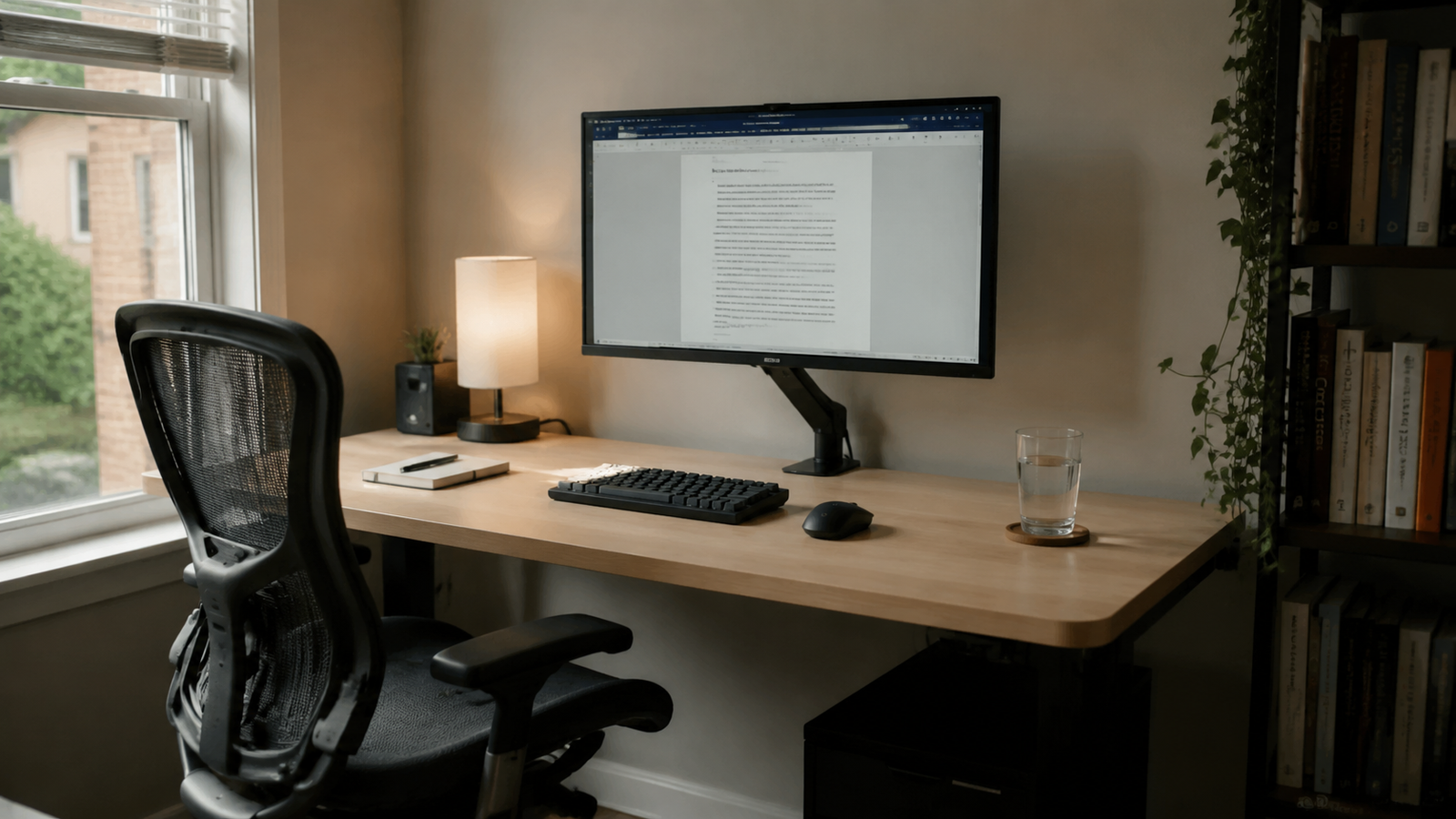
People often blame themselves for losing focus. In many cases, the real problem starts with the workspace they're trying to focus in.

For a long time, I thought my focus problem was a discipline problem.
Every afternoon followed the same pattern.
I'd sit down intending to do meaningful work, open a few tabs, check a message, move something on my desk, and somehow end up twenty minutes away from what I originally planned to do.
Like many people, I assumed the solution was better habits.
More discipline. More motivation. More self-control.
What eventually surprised me was how much of the problem disappeared after I changed my workspace.
Not my schedule.
Not my apps.
My workspace.
Focus Doesn't Happen in Isolation
We often talk about focus as if it's purely mental.
A personal skill that some people naturally have and others need to develop.
While that's partly true, the environment matters far more than most people realize.
Imagine trying to read an important book while someone repeatedly taps your shoulder.
Most people would struggle.
A cluttered workspace creates a similar effect.
The interruptions aren't physical.
They're visual.

Your Attention Is Constantly Negotiating
Every object in a workspace asks a question.
Should I look at this?
Should I move this?
Should I deal with this now?
Most of these decisions happen subconsciously.
You don't notice them individually.
You notice the accumulated fatigue they create.
A productivity workspace isn't valuable because it looks organized.
It's valuable because it removes unnecessary decisions.
The Deep Work Setups That Impressed Me Most
Over the years, I've studied countless workspaces from writers, developers, designers, and researchers.
The most productive spaces rarely looked impressive.
There were no elaborate accessories.
No giant command centers.
No overwhelming collection of equipment.
Instead, they shared three characteristics.
- Clear visual hierarchy
- Minimal distractions
- Immediate readiness for work
You could sit down and begin working almost immediately.
Nothing stood between intention and action.
The DeskCurated Principle: Reduce Friction Before You Need Focus
One principle appears repeatedly throughout effective workspace design.
Reduce friction before you need focus.
Most people wait until they're distracted before trying to solve distractions.
The better approach is preventing them from appearing in the first place.
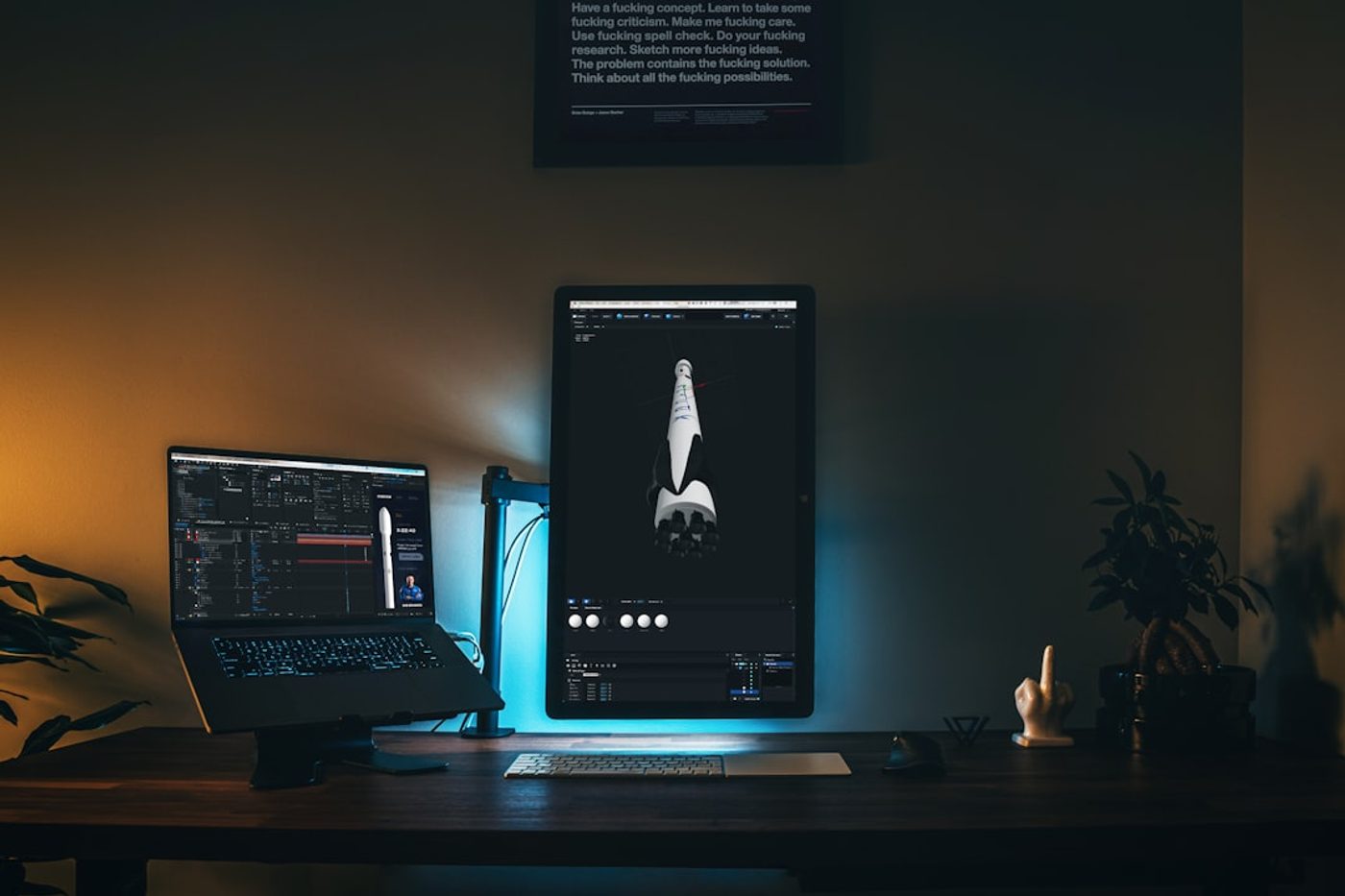
That might mean hiding cables.
Removing unused accessories.
Keeping only today's tools on the desk.
The goal isn't minimalism.
The goal is reducing unnecessary attention demands.
Why Open Space Improves Focus
One pattern shows up in almost every successful focus workspace.
Open space.
Many people see an empty section of desk and immediately try to fill it.
But open space performs an important function.
It gives your attention somewhere to rest.
It creates breathing room between objects, tasks, and ideas.
The workspace feels calmer because it actually is calmer.

Focus Is Easier Than We Make It
Many productivity discussions focus on complex systems.
Morning routines.
Task management methods.
Time blocking.
Those things can help.
But none of them matter much if the workspace itself constantly pulls attention away from the work.
Before optimizing your schedule, optimize the environment where the schedule happens.
The Real Takeaway
Most focus problems aren't entirely personal.
Many of them are environmental.
A good focus workspace won't magically create discipline.
But it can remove dozens of small distractions that quietly consume attention throughout the day.
The best productivity workspace isn't the one with the most tools.
It's the one that gets out of your way once work begins.
Related Reading
Continue Reading
FAQ
How does a workspace affect focus?
A workspace influences attention through visual clutter, layout, distractions, and the amount of friction between starting work and doing work.
What makes a good deep work setup?
A good deep work setup minimizes distractions, keeps essential tools accessible, protects open desk space, and allows work to begin immediately.
How can I improve my productivity workspace?
Reduce unnecessary objects, improve organization, remove visual clutter, and create a workspace that supports focus rather than competing for attention.